Course Details

Back To All Courses
Course Image

Course Overview

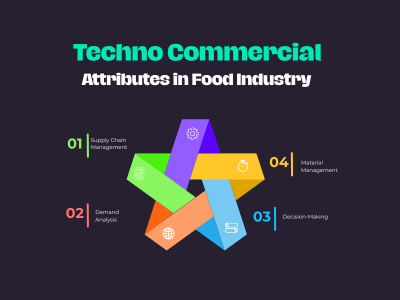
Techno Commercial Attributes in Food Industry

⏱ Duration: 24 Hours (Total) | Mode: Hybrid (In-person + Lab Sessions + Online)

Instructor’s :

  • Maruf Muhammad Ahsanur Rahman – Asst. Manager-Sales, Orana A/S (Expertise: Food Industry Sales & Strategy)
  • Dr. Md Nazmus Saqib – Asst. Professor, Dept. of Food Technology & Engg., PSTU (Expertise: Food Processing)
  • Farzana Akter – Lecturer (Senior Scale), Dept. of NFE, DIU (Expertise: Food Processing)

Course Description

This course is a hands-on, hybrid micro-credential designed to bridge the gap between technical engineering and business strategy. Through real-world case studies, supply chain simulations, and strategic decision-making workshops, it transforms graduates into industry-ready leaders capable of managing both the production floor and the balance sheet.

Evidence of Demand

  • Rapid Industry Growth: Bangladesh’s food industry is experiencing rapid growth due to shifting consumer behaviors and macroeconomic factors.
  • Critical Skills Gap: Employers struggle to find professionals who possess both Food Processing Technology expertise and Commercial Strategy acumen.
  • Need for "Hybrid Professionals": Industry leaders need professionals who can manage production efficiency while understanding market trends, supply chains, and profitability. This course is designed to fill that critical gap.

Course Objectives

This course aims to:

  • Bridge the Technical-Business Gap: Connect technical engineering knowledge with business strategy in the food sector.
  • Develop Decision-Making Skills: Equip participants with techno-commercial decision-making frameworks.
  • Foster Resilience: Foster resilience and innovation in food business operations.
  • Integrate Key Concepts: Teach the integration of supply chain, demand forecasting, and cost control.
  • Prepare Leaders: Prepare graduates for leadership roles in the competitive food industry.

Course Content & Class Plan (Modules)

  • Session 1: Intro to Techno-Commercial Aspects (Industry challenges).
  • Sessions 2-5: Supply Chain Management (Procurement, Logistics, Value Chain).
  • Session 6: Demand Analysis & Market Trends (Consumer behavior).
  • Sessions 7-8: Material Management & Transportation.
  • Sessions 9-10: Communication & Networking (Supplier/Regulator relations).
  • Sessions 11-12: Strategic Management (Cost control, Change management).
  • Session 13: Decision-Making (Risk assessment, Troubleshooting).

Practical & Field Work 

  • Simulations: Usage of simulation tools for Supply Chain games.
  • Lab Exercises: Hands-on lab facilities for material management exercises.
  • Case Studies: Real-world case studies conducted in multimedia classrooms.
  • Strategic Workshops: Strategic decision-making workshops to simulate industry scenarios.

Learning Outcomes

Upon completion, participants will be able to:

  • Apply intuitive decision-making frameworks to industrial problems.
  • Evaluate the commercial potential of food manufacturing processes.
  • Drive competitive advancement through strategic capacity building.
  • Master supply chain and material management strategies.

Target Audience

  • Food Industry Job Seekers.
  • Bachelor’s degree holders in Food-related fields (NFE, Food Tech, Agriculture).
  • Aspiring professionals seeking industry knowledge.

Entry Requirements

  • Basic understanding of food processing.
  • Bachelor's degree (preferred).
  • Minimum Age: 21 Years.

Career Pathways

After completing this micro-credential, learners may progress to roles such as:

  • Techno-Commercial Manager: Overseeing product development with a focus on profitability.
  • Supply Chain Executive: Managing procurement and logistics for food enterprises.
  • Production Planner: Optimizing manufacturing processes for cost efficiency.
  • Technical Sales Specialist: Selling food ingredients/machinery with deep technical knowledge.
  • Food Entrepreneur: Launching and scaling a food business with strategic insight.

Tools & Resources

  • Classroom: Multimedia Classroom for case studies.
  • Software/Tools: Simulation tools for Supply Chain games.
  • Facilities: Lab facilities for material management exercises.

Assessment Criteria

  • Problem-Solving / Group Tasks: 40%
  • Projects: 20%
  • Final Exam: 40%

Tentative Course Fee

  • Regular Fee: 2,500 /-
  • Promotional Offer: 2,000 /-

Course Details
Duration: 05 Mar 2026 - 05 Apr 2026
Faculty: Engineering
Level: Beginner to Advanced
Mode: Hybrid
Price: 2000 BDT 2500
Your Instructors
Instructor
Maruf Muhammad Ahsanur Rahman

Food industry sales
Instructor
Dr. Md Nazmus Saqib

Food processing
Instructor
Farzana Akter

Nutrition, Food Engineering & Academic Guidance
What You'll Learn
  • Navigating industry challenges through techno-commercial integration, Strategic procurement and foundational supply chain sourcing.
  • Optimizing value chains and internal logistics flow, Analyzing consumer behavior and predicting market demand trends
  • Efficient inventory control and material waste reduction, Managing physical transportation modes and distribution infrastructure, Strengthening internal stakeholder and external corporate communication
  • Managing supplier, regulator, and government body relations, Implementing cost control measures and long-term financial strategy, Leading organizational change and technological adaptation
  • Identifying and mitigating operational and commercial risks, Practical troubleshooting and resolving operational bottlenecks, Data-driven decision-making and high-pressure problem solving.
Ready to Start Learning?

Join thousands of students already enrolled

Lifetime access

Certificate included

30-day money back

Enroll Now